Beating the Clock: multi-vitamins and ageing
NO
PHARMACEUTICAL INFLUENCE
Beating the Clock: multi-vitamins and ageing
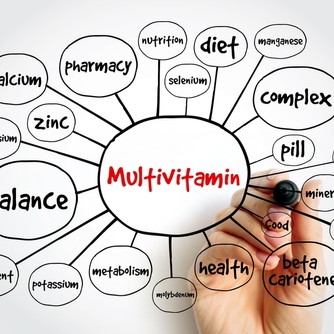
“I can’t understand why I feel so exhausted after only doing yoga and twenty thousand steps,” my 75 year old patient with nothing medically wrong tells me. “I’ve already had ten different types of grain and seeds this morning, plus I take my multi-vitamin every day in any case.”
It’s a sad fact that even if people do everything right, sometimes the body goes wrong. Or worse, there’s nothing wrong and this is just about getting older. In desperation, many people turn to the world of vitamin and mineral supplements.
But do they help? I’m certainly in the sceptic camp (remember Ben Goldacre’s Bad Science - a golden age for evidence-based medicine). Sure, there may be some benefit in vitamin D over the winter, and if you’re vegan please take some B12 supplements. But multivitamins? If you’re eating a normal diet then I subscribe to the reality that there is nothing to gain. Spend that tenner on some apples.
Clearly plenty of people don’t agree (although they may also eat plenty of apples…). The UK supplements market is huge. A recent survey by Which suggests that more three quarters of the UK population takes some type of vitamin, mineral or food supplement, spending around £1.5 billion annually or around £20 per person per year. Is general practice missing something?
Renewed interest in multivitamins was sparked by a new paper in this month’s Nature Medicine journal. This research explored whether regular multivitamin use could help with ageing using data collection from the COSMOS trial – COcoa Supplement and Multivitamin Outcomes Study. The original study had passed me by, but as I’m always interested in excuses to eat more chocolate it merited a review.
The original COSMOS trial was a large US RCT of >21k older participants (women >65y, men >60y) given either cocoa extract (not Toblerone), high in flavanols which are meant to be anti-inflammatory, and multivitamins, meant to reduce deficiencies and promote general health, or placebo, with the goal to find out whether these actually do anything or not. Surprisingly (at least to me), multivitamin use demonstrated several favourable outcomes in older adults for cognition, slowing decline in mild cognitive impairment, and cancer, while flavanols may reduce CVD.
So, what about this new study? The idea was to examine whether either of these products could influence ageing. Trouble is, given this is a RCT pulling data from a two year period, it couldn’t directly assess this.
Instead, the researchers veer in to sci-fi-sounding territory by measuring people’s epigenetic clocks, whereby biological ageing can be measured through the accumulation of changes to DNA methylation patterns. I know, I don’t really know what they are either and I too started to question the relevance to general practice, but we’ll get back there eventually, everything always does.
Of the original COSMOS cohort, 998 participants were selected who had provided blood samples at trial entry and years 1 and 2, with around half using daily multivitamins and half coca extract, then compared against those taking placebo.
The researchers found that cocoa had no effect, while the multivitamin group showed a small but statistically significant reduction in ageing in two out of five epigenetic clocks examined. Which to me sounds like a fairly poor result. Even they concluded that ‘additional studies are needed to determine the clinical relevance”.
Back to my patient then with her multivitamins. If it worthwhile her having this along with the multigrain muesli, blueberries, kimchi and kombucha? Probably not. More independent research is needed before we get too excited about multi-vitamins for general populace longevity, brain health or beyond.
Can she take it if she wants it? Of course. I don’t believe it will harm and I’m not going to tell her to stop. But the most important message here, don’t forget the stuff (sadly less exciting and often more arduous) that really can make a difference.
Dr Neal Tucker
25th March 2026
Join us at one of our upcoming courses or live webinars



Purchase an NB Plus subscription for unlimited access to the NB Medical digital library
Recent NB Blogs
Need an immediate update? – all our courses are available on demand
Did you find this useful?
You can quickly add CPD to your account by writing a reflective note about the Beating the Clock: multi-vitamins and ageing post you've read.
Log in to your NB Dashboard and use the 'Add Reflective Note' button at the bottom of a blog entry to add your note.