What’s in a cough? PBB…?
NO
PHARMACEUTICAL INFLUENCE
What’s in a cough? PBB…?
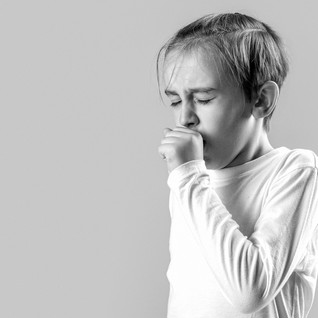
Picture a 5 year old boy sitting in your consultation room. He looks entirely well. Examination is entirely normal. His father is asking for antibiotics.
This is a story about protracted bacterial bronchitis, a condition I had never been taught about in medical school or during GP training – perhaps not surprising given the condition was only characterised in 2006. The story starts 5 months prior to us sitting in our GP’s consultation room, with a simple upper respiratory tract infection during the early days of the covid pandemic. We’d all had testing and this wasn’t covid (not this time at least). The acute symptoms settled after a few days and the cough continued, as it does for most children. Gradually it improved until all that remained was just an early morning phlegmy hock.
Except that sputum-filled hack started at five o’clock every morning and changed what would have been casual early morning stirrings followed by a drift back to sleep, in to a bronchial slanging match and the start of the day. When you’ve already done 4 hours of parenting and it isn’t even 9am, it’s hard.
I would love to say that my clinical acumen rapidly identified the problem, but alas through an insomniac’s haze it took almost half a year. It wasn’t lack of knowledge - I had recently written a chapter on chronic cough in children for the latest Hot Topics course.
The epiphany came during a holiday to Majorca, sleeping in an echoey villa with our son waking us all up (we had a 2 year old in tow by that point as well) at 4am local time with his expectorant, realising that this cough had now been 5 months and, in reality, that URTI should be gone. Realising that perhaps we didn’t need to be awake with the dawn chorus. Realising that this was protracted bacterial bronchitis.
This condition is under-recognised due to its relatively new status, lack of awareness, and misattribution to alternative diagnoses such as asthma or post-viral cough. One Australian study found that >40% of children referred to a paediatric clinic with chronic cough have PBB. It occurs due to bacteria setting up persistent airways infection which is enhanced by a biofilm – a self-secreting matrix of extracellular polymeric substances (proteins, sugars, DNA) – which improves bacterial adherence and provides a barrier against an immune response.
The hallmark of this condition is a chronic wet cough in an otherwise systemically well child. This doesn’t make it an entirely benign condition – it can drive the development of bronchiectasis and one study found it associated with an 8% risk of the condition in children with PBB. Treatment is therefore advisable. Recurrence is common and 3 or more episodes in a year should prompt referral for further investigation.
PBB is a clinical diagnosis - one actually made in retrospect after a response to treatment of suspected PBB. International diagnostic criteria have been developed for a clinical diagnosis (Modified Diagnostic Criteria (PBB-clinical) – Chest 2017):
- Chronic wet cough in child <14yo for at least 4 weeks
- No symptoms or signs of other causes of wet or productive cough
- Resolution of the cough after a 2 week course of an appropriate oral antibiotic
European guidelines recommend a trial of antibiotics in the presence of the first two criteria. First line choice of antibiotic may seem contentious in general practice: co-amoxiclav. The rationale is the most common organisms causing PBB are Streptococcus pneumoniae, Haemophilus influenzae, Moraxella catarrhalis, with the latter two often proving resistant to amoxicillin due to high rates of expression of beta lactamase.
To compound the discomfort for us, two weeks of antibiotics is recommended due to the biofilm which impairs antibiotic transmission to the bacteria. This proved to be necessary for my own son.
Having set out the case for PBB in my son, our GP generously agreed to a two week trial of antibiotics. For the first week, nothing happened and I had a sinking feeling my diagnosis was wrong. Then, early in the second week, the cough disappeared and never came back. After five months, the 5am wake up calls were over.
As always, there is such breadth issues that cross our path in general practice coupled with constant change and progress in medicine, that none of us can know everything. But we can learn more, and if you want to update and upskill your knowledge in paediatrics join us for our newly updated Hot Topics Paediatrics and Children Health Update live webinar on Friday the 8th May, where we’ll be covering common diagnoses, acute presentations and much, much more.
Dr Neal Tucker
14th April 2026
Join us at one of our upcoming courses or live webinars



Purchase an NB Plus subscription for unlimited access to the NB Medical digital library
Recent NB Blogs
Need an immediate update? – all our courses are available on demand
Did you find this useful?
You can quickly add CPD to your account by writing a reflective note about the What’s in a cough? PBB…? post you've read.
Log in to your NB Dashboard and use the 'Add Reflective Note' button at the bottom of a blog entry to add your note.